









Optimizing EHS Programs
519 results
Client Interview with Anne Marie McManus from Delaware North
Regardless of the situation, an emotional appeal is much more convincing than just presenting cold hard facts. We spoke with Anne Marie McManus of Delaware North to learn about her experience in the EHS industry and why culture change is a collaborative team effort. Delaware North Hospitality and Food Service A grounding in family ownership […]

ISO 45001 Poised to Impact Chemical Safety and More in 2016
A new voluntary international standard for occupational health and safety management — including hazardous chemical safety — is currently under development by the International Organization for Standardization (ISO). The new standard will be called ISO 45001, and is set to replace OHSAS 18001, a voluntary set of international standards first published in 1999 and developed […]

Federal OSHA Overrules Arizona’s State Fall Protection Standard
OSHA has repealed Arizona’s state-specific residential fall protection regulation put forth by the Arizona Division of Occupational Safety and Health (ADOSH) — Arizona’s state OSHA plan. Because of this change, Arizona homebuilders will now be required to implement fall protection for workers in construction activities at heights of 6 feet or more. The repealed standard […]

Leveraging Your EHS Software System to Drive Culture Change
Today’s best practices in EHS and Sustainability management strive to influence the culture at all levels of an organization to foster awareness and shared accountability for workplace safety and health and environmental stewardship. The implementation of an EHS software system does not tend to correlate directly to this goal, however it can have a tremendous […]

U.S. Chemical Safety Board Cites Safety Culture in Chevron Fire
Last week, the U.S. Chemical Safety Board (CSB) announced in a final investigation report that a fire at a Richmond, California Chevron refinery in 2012 was the result of a flawed safety culture within the corporation. The large fire endangered 19 Chevron workers, and sent over 15,000 local residents to the hospital for medical attention. […]

OSHA Keeps its Sights Set on Oil and Gas Worker Safety
Earlier this month, OSHA announced that it has signed a two-year alliance with the National Service, Transmission, Exploration & Production Safety (STEPS) Network, an all-volunteer organization devoted to reducing injuries and fatalities among oil and gas producers, and also the National Institute for Occupational Safety and Health (NIOSH), a federal agency that conducts research and […]

OSHA Mandates Egress Training
“This way to the Egress!” Back in the 1800’s, promoter P.T. Barnum posted these words on the walls of his museum in New York City to keep customers from lingering too long. Not knowing that “egress” was another word for “exit” many patrons hurried toward it, only to find themselves back outside. Egress is still […]

Calls for Chemical Safety Improvement Mark the Bhopal Anniversary
Exactly thirty years ago, the deadliest industrial accident of all time took place. On December 3, 1984, a leak in a pesticide plant caused the release of 40 tons of methyl isocyanate into the air in the city of Bhopal, India. About 4,000 people were killed outright, and another 15,000 passed away in the weeks […]
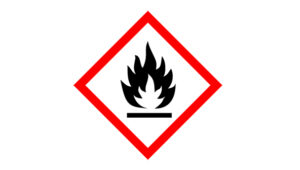
Fire Safety Remains a Top Priority for OSHA
According to the Bureau of Labor Statistics, fires and explosion accounted for 148 workplace deaths in 2013—or 3.4% of all fatal occupational injuries for the year. Despite industry and regulatory efforts to improve fire safety, this number (and percentage) has remained stubbornly constant since 2007. Despite this levelling off, it’s clear that OSHA intends that […]

5 Stories on Why Managing Hazardous Chemicals in the Workplace is so Important
Here are 5 stories, with 5 lessons, that illustrate why chemicals in the workplace, no matter the size of the company or the number of employees, are serious business. As demonstrated below, how chemicals are used, stored, labeled, and disposed of, and how employees are trained on chemical hazards, affects workers, customers, and in some […]