








Optimizing EHS Programs
522 results

The Importance of Not Staying Stagnant Throughout the Day
Do you find yourself feeling sleep-deprived during the day? Do you have low energy levels and feel fatigued? Maintaining a healthy lifestyle to keep your energy levels up may feel difficult when working from home; however, there are easy steps to take to achieve a healthy lifestyle even when sitting at a desk. While these […]

OSHA’s Top 10 Safety Violations 2021
As OSHA’s 2022 fiscal year approaches (October 1, 2021, to September 30, 2022) and the agency prepares to release its newest list of “Top 10 Most Frequently Cited Standards,” we thought it would be a good time to review the most recent 2021 list to gain some insights about the agency’s enforcement priorities. Employers can […]

What is Operational Risk?
In a broad sense, operational risk includes any risks you’d encounter in your operations processes. In a technical EHS sense, it’s the risk of loss resulting from inadequate or failed internal processes, people, and systems or from external events. 5 Main Types of Operational Risk There are five main types of operational risk. (There are […]

Using Ergonomics to Attain the S of ESG
With the many ways in which the world has changed in the last few years alone, sustainable finance and Environmental, Social and Governance (ESG) investing are two of the most significant drivers of today’s investment trends. Institutional and private investors—not to mention the global public at-large—are now demanding that business leaders adopt a strategic approach […]

3 Mouse Feature Tips to Enhance your Mouse Usage
Numbness, tingling, soreness and discomfort in the hand, fingers, forearm, and elbow are all signs that you may be using your mouse too much. In today’s world of technology (and the world post-covid), we rely heavily on the computer and mouse to complete our work and personal tasks. However, with this type of repetitive work, […]

Introduction to Hazardous Waste Management, Part Five: Waste Reporting and Minimization
Welcome to the fifth and final installment of our series, “Introduction to Hazardous Waste Management,” in which we’ll discuss the importance of waste reporting and waste minimization toward maintaining compliance with hazardous waste regulations and pursuing EHS/ESG maturity. In case you missed the previous installments, check out Part One to find out how to determine […]

Elements of Successful Ergonomics Teams: Who? What? How Much?
Our team of board-certified ergonomists get a lot of questions from customers, webinar attendees, even social media followers on best practices and insights for developing strong ergonomics programs. But a large element of having a strong program is having a solid ergonomics team. Let’s discuss how to build an ergonomics team that will support and […]
Introduction to EHS Risks, Part Five: Risk Management as the Glue Holding Your EHS Programs Together
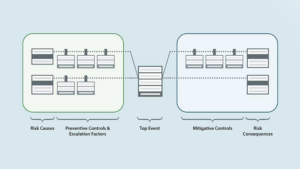
By Phil Molé, MPH Welcome to the fifth and final installment of our blog series “Introduction to EHS Risks,” in which we’ll talk about the ways that good risk management is really the glue holding your EHS programs together. In case you missed our previous posts in this series, take a little time to check […]

How Well Do You Understand the Greenhouse Gas (GHG) Protocol Standards?
Tracking and reporting of greenhouse gas (GHG) emissions are central to doing environmental, social and governance (ESG) right. Internal and external stakeholders expect companies to demonstrate good GHG management practices, which is a major reason why both voluntary and mandatory ESG disclosure frameworks established GHG reporting responsibilities for companies. The GHG Protocol produces standards that […]
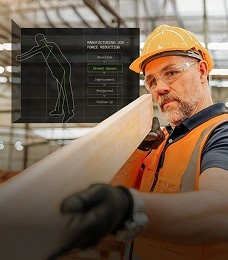
Applying Artificial Intelligence and Machine Learning for More Effective MSD Risk Assessment and Reduction
Like many other EHS management processes, your ergonomics process should be built around three fundamental elements: identifying and assessing the risks to your people and workplace (in this case, musculoskeletal disorders [MSDs] and other ergonomics-related injuries), selecting and implementing the ideal controls and improvements to minimize those risks, and monitoring and refining the effectiveness of […]