







Optimizing EHS Programs
521 results
Workers Are the Experts: Utilizing Participatory Ergonomics
Workers are truly the experts on their jobs. Not only in the task of the job itself, but in knowing what it takes to complete it and how the process could be improved. Workers are the ones who are best equipped to identify problems, analyze them, and to develop and implement solutions that will be […]

ESG Virtual Conference Session Summary: Using Materiality Assessments to Frame ESG Measures
Environmental, Social, and Governance (ESG) is now a “must have” and is the new standard for business excellence. To help businesses capitalize on ESG and develop long-term, effective ESG programs, VelocityEHS hosted our Virtual ESG Conference to educate businesses and EHS professionals on a variety of ESG topics. One of our conference sessions featured a […]

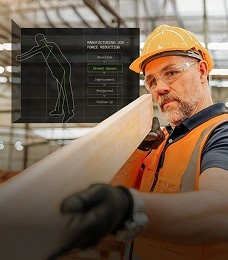
Motion Capture Technology Makes Ergonomics Assessments Simple
Motion capture software can sound like a complex thing to use and understand, but it can actually be quite simple. In this post, we’ll walk you through taking a video of a job task to upload into VelocityEHS Industrial Ergonomics software, which utilizes machine learning and sensorless motion capture technology. This is an easy and […]
European Financial Reporting Advisory Group (EFRAG) Finalizes ESG Standards
By Phil Molé, MPH The evolution of ESG reporting standards has reached another milestone due to the European Financial Reporting Advisory Group (EFRAG) finalizing its first set of Environmental, Social, and Governance (ESG) standards. What is the Background of EFRAG? EFRAG is a private association founded in 2001, with guidance provided by the European Commission. […]
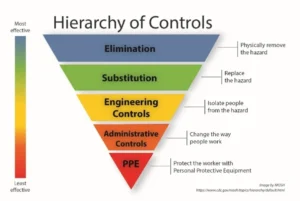
What is Green Chemistry and Why is it Important?
Chemical management is no easy task, whether you’re managing a dozen or ten thousand chemicals in your inventory. Not only are you required by OSHA and other regulatory agencies to maintain an inventory of all hazardous materials within your workplace, but you also need to account for those materials and ensure safety data sheets (SDSs) […]
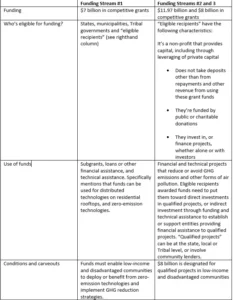
EPA’s New Greenhouse Gas Reduction Fund: What You Need to Know
By Phil Molé, MPH If you’ve been reading the news lately, you’ve probably heard about the passage of the Inflation Reduction Act, intended to address the rising costs of living for Americans. But you may not have heard that the Inflation Reduction Act allocates a significant amount of funds to the EPA to establish a […]

ISSB Votes to Include Scope 3 Greenhouse Gas (GHG) Emission Disclosures in Updates to Draft Standards
By Phil Molé, MPH It’s been a busy year for the International Sustainability Standards Board (ISSB). The Board had already completed its consolidation with the Value Reporting Foundation (VRF), assumed oversight over the Sustainability Accounting Standards Board (SASB) standards, and released its first two draft standards for public consultation. During its recent meeting held on […]

Post Offer Employment Testing (POET) and Physical Demands Analysis (PDA): How to Improve Safety Performance and Ensure Compliance
EHS professionals traditionally deal with safety issues that employees encounter after they’ve been hired and have little involvement in processes to test employees before they start work – leaving the administration of that process to Human Resources (HR). Meanwhile, HR professionals managing post offer employment testing (POET) often aren’t involved in wider safety management practices. […]
Think You Can Wait to Pursue ESG Maturity? Think Again
By Phil Molé, MPH Over the last several years, we’ve seen Environmental, Social and Governance (ESG) move from the background to the foreground of the business world. Still, there have been some bumps in the road. Lately, we’re seeing some public cases of resistance, even hostility, toward ESG. And many individual business leaders, facing more […]
Why Manufacturers Should Implement a Control of Work (CoW) System
Historically speaking, workers in the manufacturing industries are at higher risk for work-related injuries and illnesses than workers in other industries. In 2020, the manufacturing industry ranked fourth highest in non-fatal recordable injury and illness rates, with 3.1 cases per 100 full-time employees (FTE) compared to the average rate of 2.7 cases per 100 FTE […]