








Getting Started
203 results

Musculoskeletal Disorders: Stop Them Before They Start
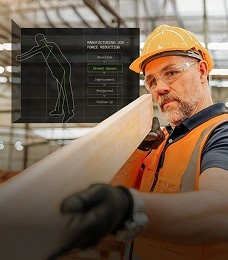
The term musculoskeletal disorder (MSD) is widely accepted in the world of ergonomics to indicate damage associated with conditions that ergonomics guidelines seek to prevent. But what is a musculoskeletal disorder, and how does it occur? In a study by Barbe et al., the extent of the MSD development process in muscles, tendons, bones, ligaments […]

USP 800 & OSHA HazCom: Understanding Your Requirements for Handling Hazardous Drugs in the Healthcare Industry
The United States Pharmacopeial Convention (USP) estimates that more than 8 million US healthcare workers are exposed to hazardous drugs (HDs) in the workplace each year. Hazardous drugs (HDs) are a class of pharmaceuticals that pose serious health risks to individuals who handle them, including organ toxicity, reproductive and developmental defects, genetic toxicity, cancer and […]

Lessons Learned: Improving HazCom and Avoiding the Dangers of Incompatible Chemicals
by Phil Molé An employee at a popular chain restaurant recently died due to chemical exposures from a reaction between common, but incompatible, cleaning compounds. This incident, like many others before it, is disturbing because the chemicals used are so common, and tragic because it is avoidable. It’s an unfortunate reminder that HazCom management is […]

Ontario Ministry of Labour Announces Inspection Blitz on Musculoskeletal Disorders (MSDs)
On October 1, 2019 the Ontario Ministry of Labour (MOL) announced it will begin an inspection blitz aimed at preventing work-related musculoskeletal disorders (MSDs). This inspection blitz will target workplaces across Ontario, specifically those in construction, health care, industrial and mining sectors. The start of the blitz happens to coincide with October’s Global Ergonomics Month, […]

Evaluating Your Chemical Safety Training to Make it More Effective
As one of the main pillars of OSHA’s Hazard Communication (HazCom) Standard, employee training is a critical part of your company’s workplace safety and regulatory compliance. Yet, HazCom training is also one of the most commonly overlooked elements of safety programs, as many employers struggle to make it effective, engaging, and relevant. In our article […]

Managing Multi-Employer Worksite Responsibilities for HazCom
Today’s workplace is far different than it was in the past. Workers from multiple employers are increasingly working side-by-side at the same worksites, and employers are sharing responsibility for worker safety more and more. When chemicals are involved, confusion can arise over who has obligations under OSHA’s HazCom Standard. We know that, because people often […]

Preventing Workplace Violence in the Health Care Industry
The U.S. health care industry employs more than 20 million individuals and I’m willing to bet that each and every one of us has a friend or family member who’s worked as a nurse, a doctor, a home health care worker, paramedic or other health care professional. For so many of us, the threat of […]

The Importance of Management of Change (MOC) in Preventing Chemical Accidents
It seems almost every few months there’s another story in the news about a major chemical accident somewhere in the United States. On June 21, 2019 a major explosion at a petroleum refinery just outside of downtown Philadelphia, PA injured five workers and endangered thousands of nearby Philadelphia residents. The damage was so severe that […]

Introduction to Hazard Communication, Part Six: Overcoming Common Challenges by Putting Your HazCom Program to Work
Welcome to the sixth and final installment in our “Intro to HazCom” series! If you missed our previous posts in this series or want to refresh your memory, just follow the hyperlinks to read about the basics of HazCom (Parts One and Two), the challenges of chemical container labeling (Part Three), the requirements for a […]

Job Safety Analysis Training Helps You Find & Fix Workplace Hazards
In order to keep your employees safe, you must be aware of all the hazards they may encounter during their daily tasks, from chemical exposure to slips, trips and falls. A Job Safety Analysis (JSA) is a trusted process that helps you formally identify these hazards in order to make critical changes that protect workers […]