








By Phil Molé, MPH
Over the past few months, VelocityEHS has hosted a wide range of webinars designed to empower EHS professionals to stay ahead of regulatory changes, explore emerging technologies, and strengthen their safety programs. From OSHA recordkeeping and HazCom updates to AI, ergonomics, and operational risk, these webinars delivered practical insights and real-world strategies. We’ve also continued our ongoing AI in Safety Coffee Chat series.
EHS professionals are busy, so if you couldn’t keep up with the Q1 webinar and Coffee Chat lineup, we’ve got you covered. Here you can get a recap of what you may have missed, along with opportunities to dive deeper into the topics that matter most to you.
OSHA Recordkeeping
OSHA’s Recordkeeping Standard is one of the agency’s oldest and most widely applicable regulations, and one of the most difficult standards to follow. EHS professionals often have questions about the criteria for classifying occupational injuries and illnesses as recordable, and about how to properly complete the required OSHA forms.
Difficulties have compounded in recent years due to OSHA’s 2016 final rule to require some establishments to electronically submit their 300A injury and illness summary data directly to OSHA each year via the Injury Tracking Application (ITA).
We kicked off 2026 with a webinar covering basic Recordkeeping obligations and delving into the recent changes due to the 2023 final rule.
OSHA’s Recordkeeping Standard: Your Guide to Compliance
Chemical Management Webinars
HazCom
OSHA’s 2024 final rule, which updates its Hazard Communication Standard (1910.1200) to align with Revision 7 and elements of Revision 8 of the United Nations’ Globally Harmonized System of Classification and Labeling of Chemicals (GHS), is already in effect. And its first deadlines will start hitting in May 2026.
This webinar covered the background of HazCom, while also unpacking the most recent changes and how users of hazardous chemicals across the supply chain can ensure they are compliant.
Tier II
The Emergency and Hazardous Chemical Inventory Report, commonly known as the Tier II report, is due on March 1 of each year for all facilities that stored hazardous chemicals in quantities above reporting thresholds during the previous calendar year. Yet many who are subject to Tier II reporting continue to make common mistakes that may affect their compliance status and result in violations and monetary penalties.
This webinar, one of the most popular events each year, gives you all the information you need to ensure you’re aligned with federal and state reporting requirements.
EPA Tier II Reporting: Your Roadmap to 2026 Compliance Success Webinar
Toxic Release Inventory (TRI)/Form R
Section 313 of the Emergency Planning and Community Right to Know Act (EPCRA) establishes the obligation for certain facilities to prepare and submit a Toxic Release Inventory (TRI) Report, aka a Form R report, if their usage of TRI-listed chemicals exceeded applicable thresholds.
The deadline for Form R reports is July 1 of each year for the previous calendar year’s data. If you’re the owner or operator of an affected facility, you need to be aware of current reporting obligations to ensure the accuracy and completeness of your upcoming TRI submissions. This is critical because the EPA continues to update the TRI chemicals list and has recently added more poly- and perfluoroalkyl substances (PFAS) to the list, requiring you to determine if you use them and then to track them.
This webinar reviews the basics of Form R reporting, with a deep dive into applicability, and covers the most important reporting changes over the last few reporting cycles.
EPA Form R/Toxic Release Inventory Compliance: Preparing for Reporting Deadlines
Ergonomics
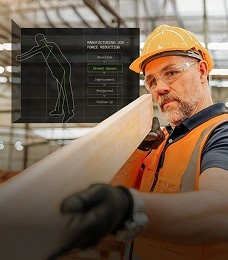
Many safety managers know ergonomics is a major driver of injuries, lost time, and rising costs, but struggle to explain its true impact in a way leadership understands. While some might view ergonomics as an operational or safety sidecar, it is a non-negotiable business imperative, given its impact on risk, cost, productivity and workplace sustainability.
The Q1 ergonomics webinars advanced understanding in the true value of ergonomics, best practices for identifying and controlling musculoskeletal disorders (MSDs), and revealed how to make a clear business case for ergonomics programs.
Six Emerging Technology Trends Reshaping Ergonomics & EHS
OH&S Hosted Webinar: Executive Q&A: Making the Business Case for Ergonomics
Operational Risk
Job safety analyses (JSAs) are a common and effective operational risk management tool, because they involve breaking a job down into constituent tasks to facilitate better identification and control of risks. Still, EHS professionals often don’t use JSAs to their full potential. For example, they should make every effort to standardize their JSA process and improve hazard and control selection. They should also reassess the JSA whenever a workplace incident happens to determine if limitations in the JSA may have caused risks to go unaddressed and led to the incident occurring.
This webinar, hosted by Safeopedia, highlighted the ways that AI-powered capabilities can improve JSAs and drive adoption of a more prevention-focused safety management system.
Safeopedia Hosted Webinar: JSA: From Paperwork to Prevention: How Technology Supports JSAs that Actually Reduce Risk
Contractor Safety & Permit to Work
Organizations that conduct high-risk work often face fragmented data, inconsistent qualification processes, and limited visibility into who is on-site, especially when contractors and vendors conduct much of this work. These gaps create compliance exposures and slow an organization’s ability to respond when risks arise.
The Q1 webinar partnering with J.S. Held shared best practices for improving governance of this work to achieve stronger contractor visibility and management.
J.S. Held Webinar: See More, Risk Less: Strengthening Safety with Better Contractor Visibility & Management
AI in EHS
EHS professionals all have something in common: A passionate dedication to safety and a desire to make the biggest positive impact possible. Unfortunately, some EHS professionals continue struggling with basic compliance tasks due to huge workloads and inefficient tools that lock them into a reactive safety management cycle.
To help EHS professionals understand how AI for EHS capabilities can help, the following webinars were offered in Q1:
WSP Partner Webinar: Ready, Set, Transform: Your Launchpad to EHS Software Success
Leveraging AI to Move Beyond Regulatory Compliance
The Verified Value of Modern EHS: How VelocityEHS Delivers 200% ROI in Three Years (Presented by Verdantix)
AI in Safety: A Coffee Chat for EHS Professionals
We also continued our popular AI Coffee Chat series, which is intended to bring EHS pros like you together to learn more about the relevance of AI, and why you can’t afford to ignore it.
Each installment of AI Coffee Chat is hosted by Blake McGowan, our Director & Head of Product Marketing and a certified professional ergonomist (CPE) and features a special guest to discuss specific aspects of EHS and AI.
In Q1, Coffee Chat covered the following topics:
January 23rd: Arianna Howard, Managing Partner & Co-founder of Syncra Group talked about implementation of AI for EHS software, including common challenges that EHS professionals are looking to solve, how implementation connects with organizational strategy, and the biggest mistakes EHS leaders are making with AI.
February 20th: Mark Benden (Chief Technology Officer of Humanate Digital), discussed what students in college EHS programs are currently learning about AI and effective use cases for AI, including how to transition from general applications (including use of common commercial tools like ChatGPT) to EHS-specific use cases.
March 27th: Our guest, Dan Grinnell (Owner and Founder of AI 4 EHS), discussed the importance of a “governance first” approach to AI, the most dangerous and underrated things EHS teams can do with AI, and how to show the value of AI to company leadership within 90 days.
Be sure to register here so you don’t miss any future Coffee Chat installments!
Join VelocityEHS for the Q2 Webinar Line-Up
Now you have plenty of viewing to catch up, so take your time and watch as many times as you need. And remember, the best way to make sure you don’t miss any of our live webinars is to register for them now. Join us for the upcoming digital events:
- April 7: VelocityEHS Job Safety Analysis Software Demo: Spot Hidden Hazards. Control Risks
- April 21: Ergonomics Virtual Conference
- April 21: Rethinking Safety Metrics: Why PSIFs are the New Standard for Evaluating Workplace Risks
- April 28: EPA Form R/Toxic Release Inventory Compliance: Preparing For Reporting Deadlines
- Monthly AI In Safety: A Coffee Chat for EHS Professionals
View More VelocityEHS Resources
You can also check out other on-demand guides, checklists, and white papers:
- AI in EHS Resource Center
- Leveraging AI in EHS to Move Beyond Regulatory Compliance
- From Compliance to Resilience
- Why EHS Professionals Can’t Afford to Ignore AI
- 20 Questions You Should Ask Before Choosing an EHS Software Vendor
- 2026 Essential Compliance Checklist for EHS Professionals
For a full view of VelocityEHS resources, view the resources page or blog for thought leadership to keep pace with the evolving world of EHS.
See How VelocityEHS Can Empower Your Safety Programs
View the AI and EHS page to learn more about purpose-built, human-centered AI woven into the VelocityEHS Accelerate® Platform. Or if you’re ready to see for yourself how Velocity AI and Vēlo can empower safety professionals to act faster, with greater clarity and consistency, set up a meeting with us today.